
Loading…
Study
Bachelor's, master's, MBA, and doctoral degrees.
 Find your programme
Admissions
One online application, saved from the first step.
 Start your application
Student life
Support from your first week to graduation.
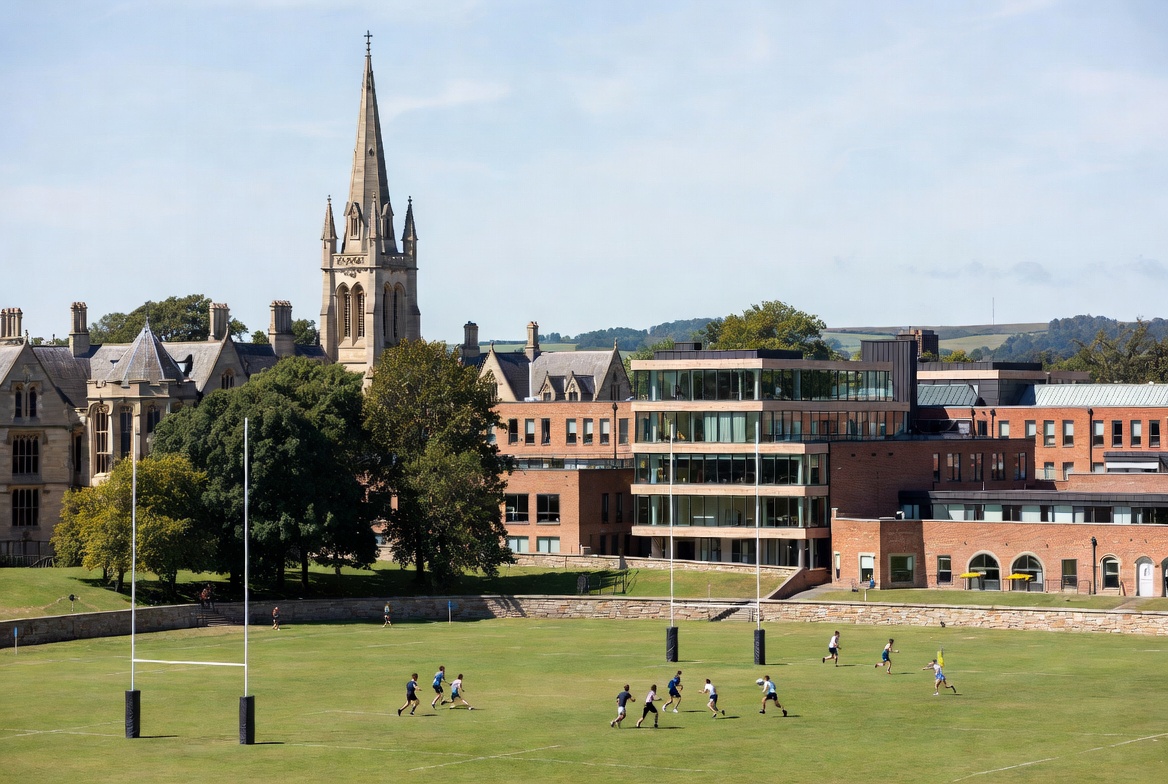 Campus and city
University
Who we are and how our degrees are recognised.
 Our story since 1819
Loading…

The PhD Education programme supports scholars investigating how people learn and how systems enable or constrain that learning. Research areas include EdTech efficacy, inclusive pedagogy, teacher professional development, and higher-education policy. You will complete doctoral coursework, pass candidacy, and produce a dissertation contributing new knowledge — with pathways for practising educators researching their own institutions.
PhD Education is taught as one award, not a list of unrelated modules. The published length is 3–5 years, and the credit total is 60. Students move from Advanced Research Methods in Education through Advanced Research Methods in Education; Seminar in Learning Sciences; Education Policy & Comparative Systems; Doctoral Writing & Ethics; PhD Candidacy Examination; Doctoral Dissertation Research, and finish on Doctoral Dissertation Research.
Each course has a question, a method, and a submission. In this field, students design a short sequence for a named group of learners and the criteria that would mark it fairly. Reading is a curriculum extract, an assessment specification, and an evaluation summary. The artefact a marker expects is a plan with outcomes, a task, criteria, and a note on bias.
The award is built so that a graduate can do the following in practice: Design mixed-methods educational research studies Contribute original findings to peer-reviewed education journals Translate research into policy and practice recommendations
Teaching assumes the student can read a source, attempt a problem before the seminar, and revise after feedback. Attendance at live seminars is part of the design. The capstone or final course must use the methods of the earlier courses; a project that ignores them does not pass.
This course does not confer a teaching licence, QTS, or equivalent registration.
The pages for each course name the topics that are examined. Those topics are the syllabus. A brochure line is not a substitute for them.
The 60-credit pathway combines advanced Year 1 coursework with multi-year supervised research. Practitioner-researchers may study problems of practice within their institutions under ethical governance; career academicians focus on theory-building publications and conference dissemination.
Complete the online form, which saves from the first step, pay the $30 application fee, and upload your documents. Admissions emails you the decision.
Also consider